


Having featured as part of the main Commonwealth Games programme four times since 1990, judo is something Team England has dominated.
With the sport due for its fifth Games appearance in Glasgow, 14 golds – split evenly across the men’s and women’s categories – will be up for grabs.
With a new crop of warriors set to take to the mat, here’s all you need to know about judo.
Where is it taking place?
Judo will be one of four sports that will be hosted at the SEC Centre, alongside 3x3 basketball, boxing and bowls.
It is the same venue that hosted the sport back in 2014 – the last time Glasgow staged the Games – when it was called the Scottish Exhibition and Conference Centre.
Dates at Glasgow 2026
Judo will feature on the final three days of the Games between Friday 31 July and Sunday 2 August.
Each weight class will be held across one day, with the men’s 60kg and 66kg, and the women’s 48kg, 52kg and 57kg categories all taking place on 31 July.
The following day sees the men’s 73kg and 81kg and women’s 63kg and 70kg categories compete, while the final day features the men’s 90kg, 100kg and +100kg, and the women’s 78kg and +78kg categories.
Team England’s history
Judo is a sport that Team England has had plenty of success in in the past, having won 33 gold medals, with Scotland the next best on the all-time list with nine.
Overall, England has won 55 medals in total, 20 more than Scotland, who sit second in that list as well.
England has topped the judo medal table every time the sport has featured at the Games, with Scotland coming the closest to ending that run in 2014, where they finished second by virtue of winning two fewer silver medals after both nations won six golds.
England won five gold medals at Birmingham 2022, one more than Canada, thanks to Ashley McKenzie (men’s 60kg), Daniel Powell (men’s 73kg), Lachlan Moorhead (men’s 81kg), Jamal Petgrave (men’s 90kg) and Emma Reid (women’s 78kg).
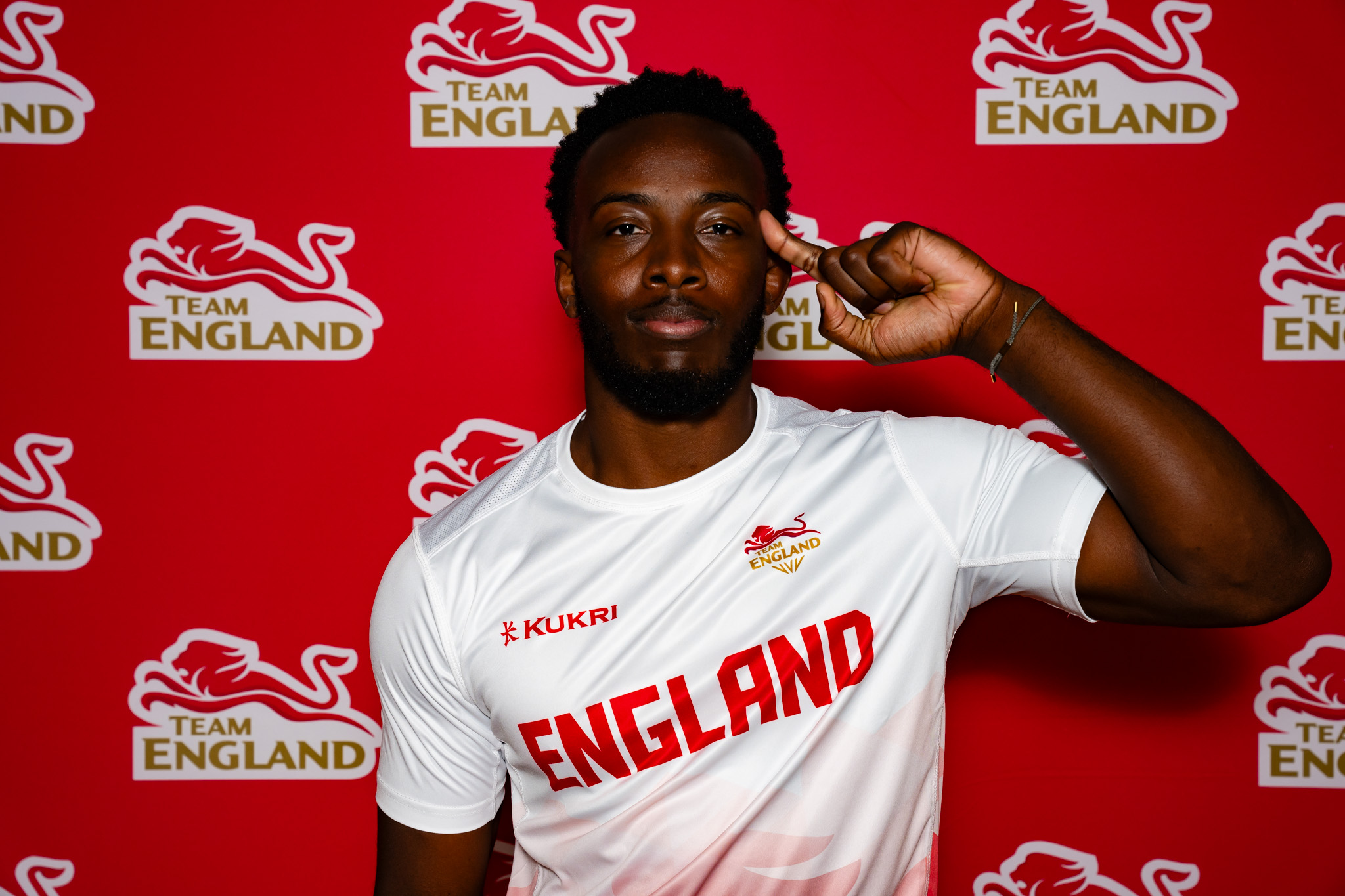
Jamal Petgrave (above) and Emma Reid (below)

Rules explainer
Within a Commonwealth Games match, an ippon is awarded when an athlete throws their opponent to the mat onto their back with speed, strength and control, as well as being awarded through submission or by pinning an opponent to the ground for 20 seconds.
A waza-ari is awarded for a throw that is not clear enough to be an ippon, or if the opponent does not primarily land on their back.
An ippon immediately ends the match, while two waza-ari in one match are equivalent to one ippon.
Who is competing for Team England?
England has selected 14 judokas for Glasgow 2026, a squad that is led by defending Birmingham 2022 Commonwealth champions Emma Reid and Jamal Petgrave.
Reid, who famously overcame Natalie Powell to secure -78kg gold on home soil, has since added world bronze and European silver to her growing international medal collection, underlining her status as one of England’s leading judokas.
Petgrave, meanwhile, returns to defend his -90kg title after a standout debut at the last Games, where he claimed gold and established himself among the country’s most consistent performers on the international stage.
Two-time bronze medallist Jemima Yeats-Brown also features, as does Birmingham 2022 bronze medallist Kelly Petersen-Pollard and silver medallist Acelya Toprak.
Paris 2024 Olympian Lele Nairne returns for her second Commonwealth Games appearance, joined by her younger brother Ethan Nairne, who is among eight debutants in the squad.
Sportsbeat 2026


